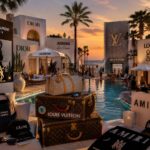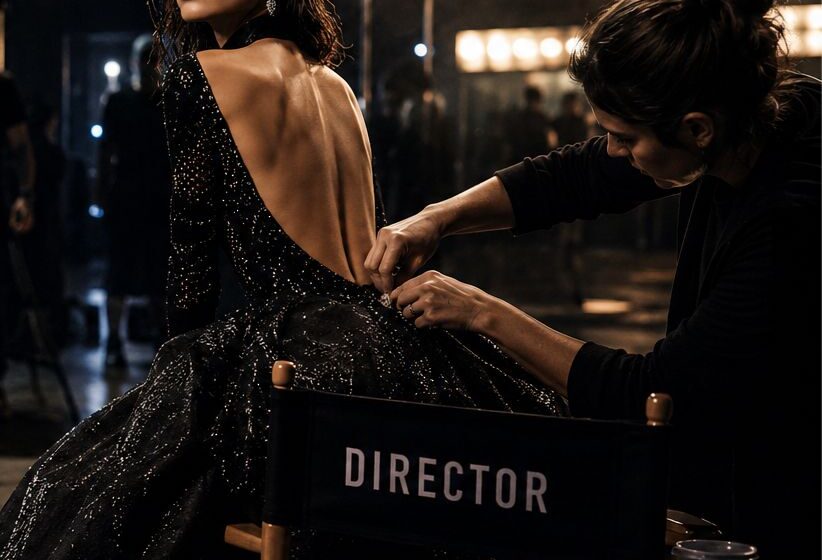

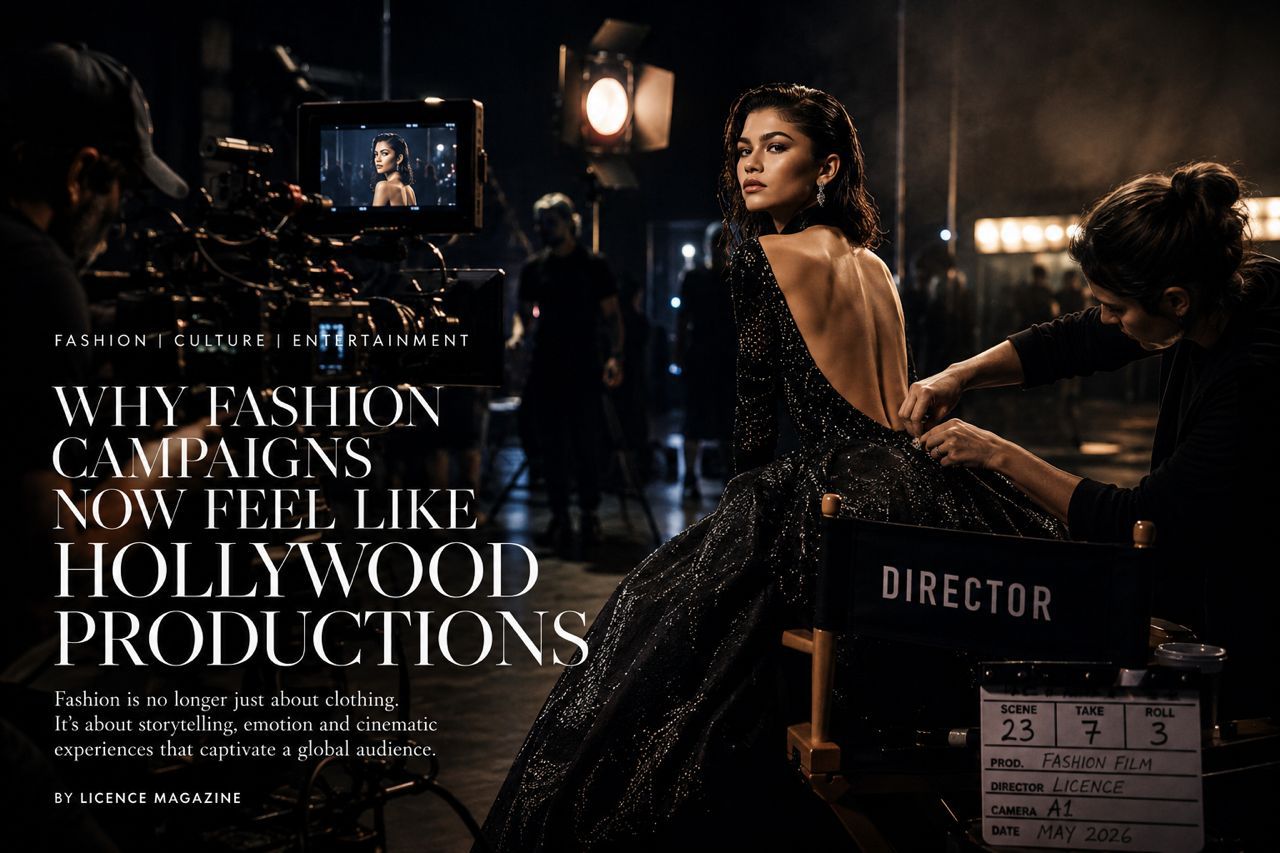
 Fashion campaigns are no longer just about clothing. In 2026, they have evolved into cinematic experiences designed to captivate audiences the same way films, streaming series, and music videos do.Across the luxury industry, brands are investing more than ever in storytelling, large-scale productions, visual effects, celebrity casting, and emotionally driven narratives. What was once a simple photoshoot has now become a fully constructed universe — one that blends fashion, cinema, art, music, and digital culture into a single immersive experience.Today, fashion does not simply sell products. It sells emotion, atmosphere, identity, and fantasy.The Rise of Cinematic Fashion StorytellingOver the last few years, luxury fashion houses have dramatically changed the way they communicate visually. Traditional studio campaigns featuring static poses and minimal backgrounds are increasingly being replaced by short films, narrative-driven visuals, and high-production creative concepts.Modern campaigns now resemble scenes from Hollywood productions:
dramatic lighting, elaborate sets, cinematic camera work, emotional sound design, and carefully written narratives all play a role in shaping the final experience.Brands are no longer focused only on showcasing garments — they are building worlds around them.This transformation reflects a larger cultural shift where audiences crave emotional connection and immersive storytelling rather than traditional advertising.Fashion and Cinema Have Never Been CloserThe relationship between fashion and cinema has always existed, but in 2026 the connection feels stronger than ever.Luxury brands increasingly collaborate with film directors, screenwriters, cinematographers, and actors to create campaigns that blur the line between advertisement and entertainment.Campaign releases are now treated almost like movie premieres. Teasers, trailers, behind-the-scenes footage, exclusive previews, and viral social media clips are strategically launched to generate anticipation before the full campaign even drops.The objective is clear:
make audiences feel something powerful enough to stop scrolling.As attention spans continue to shrink in the digital era, cinematic storytelling has become one of the most effective ways for brands to remain culturally relevant.Celebrity Power and Emotional ImpactAnother major reason fashion campaigns now resemble Hollywood productions is the increasing role of celebrity culture.Global stars such as Zendaya, Timothée Chalamet, Bella Hadid, and Bad Bunny are no longer appearing in campaigns simply as ambassadors — they are becoming central characters within larger visual narratives.Luxury brands understand that audiences connect emotionally with personalities, stories, and cinematic energy far more than with traditional product-focused marketing.As a result, campaigns increasingly feel like short films where fashion becomes part of a larger emotional universe.The clothing itself remains important, but the atmosphere surrounding it has become equally valuable.The Influence of Social Media and Digital CultureThe evolution of fashion campaigns is also deeply connected to the rise of social media.Platforms like Instagram, TikTok, and YouTube transformed visual communication entirely. Brands now compete not only with other fashion houses, but with streaming platforms, viral creators, music videos, gaming visuals, and entertainment content constantly fighting for public attention.To survive within this highly saturated digital landscape, fashion campaigns must become more cinematic, more immersive, and more emotionally engaging.A strong image alone is no longer enough.Audiences expect movement, narrative, aesthetic direction, and shareable visual moments capable of generating conversation online.This is why modern campaigns increasingly include:* film-inspired storytelling
* dramatic editing
* cinematic soundtracks
* emotional narratives
* large-scale production design
* AI-enhanced visuals
* immersive digital experiencesFashion communication has evolved into entertainment itself.The Era of Fashion as World-BuildingOne of the most important changes happening today is the concept of “world-building” within luxury fashion.Brands are no longer simply presenting seasonal collections. Instead, they create entire universes around their identity — visual ecosystems that audiences can emotionally enter and recognize instantly.From futuristic dystopian aesthetics to nostalgic cinematic references, fashion campaigns now operate similarly to film franchises or entertainment brands.This approach strengthens emotional attachment while reinforcing cultural relevance.Consumers no longer buy only products. They buy into a vision, an atmosphere, and a lifestyle.AI and the Future of Visual ProductionArtificial intelligence and digital technology are also pushing fashion campaigns into a completely new era.In 2026, many brands are experimenting with AI-assisted visuals, virtual production environments, digital scenography, and hyperreal cinematic imagery that would have been impossible only a few years ago.These technologies allow fashion houses to create increasingly surreal and visually ambitious campaigns capable of standing out in a highly competitive media landscape.However, despite technological evolution, the core objective remains the same:
creating emotion through storytelling.Because in today’s fashion industry, visibility alone is no longer enough. Brands must create experiences audiences remember.Fashion Is No Longer Just FashionThe modern luxury industry now exists at the intersection of fashion, cinema, music, technology, and entertainment.Campaigns have become cultural events designed not only to promote collections, but also to shape conversations, dominate social media, and reinforce a brand’s global identity.In many ways, fashion campaigns now function exactly like Hollywood productions:
high budgets, strategic casting, cinematic storytelling, emotional narratives, and global audience engagement.And as the boundaries between entertainment and luxury continue to disappear, one thing becomes increasingly clear:The future of fashion communication will belong to the brands capable of telling the most compelling stories.