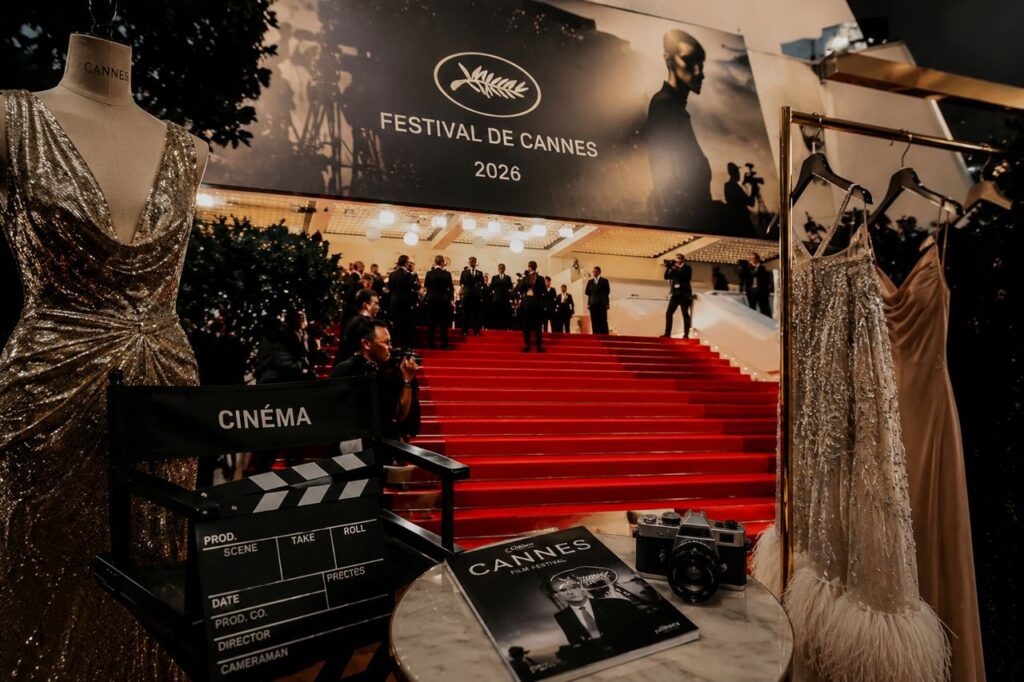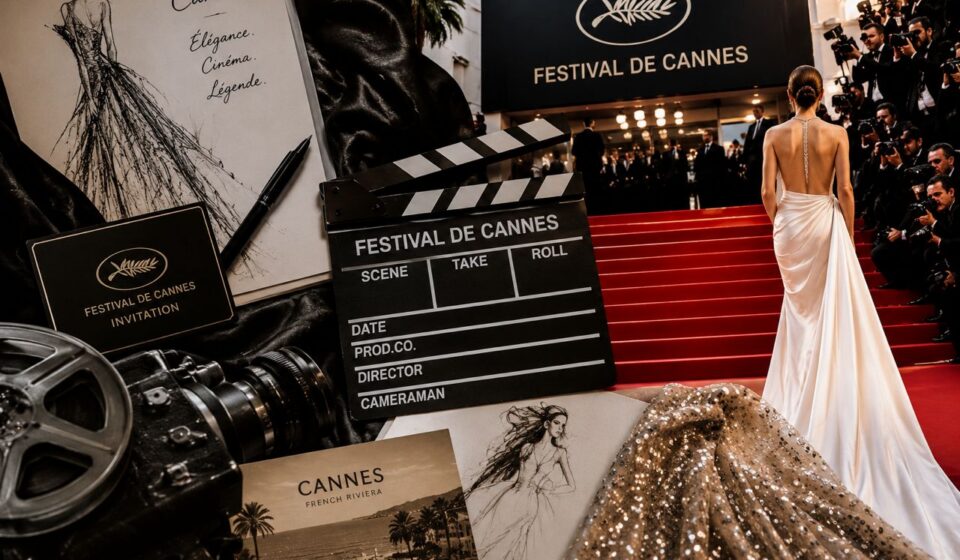

For decades, the Cannes Film Festival has represented the highest level of cinematic prestige — a destination where filmmakers, actors, producers, and global creatives gather to celebrate the art of cinema. From legendary Palme d’Or premieres to defining moments in international film history, Cannes has long existed as one of the most important cultural events in the world.
But in 2026, one question dominated conversations both online and across the Croisette:
Has Cannes become more of a fashion spectacle than a film festival?
It is a debate that reflects the evolution not only of Cannes itself, but also of modern celebrity culture, luxury branding, and the growing influence of social media on global entertainment events.
This year, while critically acclaimed films and major premieres remained central to the festival’s official program, much of the global digital attention appeared to focus elsewhere — on the red carpet.
The Red Carpet as a Global Fashion Stage
At the 2026 edition of Cannes, red carpet appearances quickly became some of the most shared and discussed moments on social media platforms worldwide.
Figures such as Bella Hadid, Zendaya, and Cate Blanchett generated enormous online engagement through their fashion choices, styling moments, and luxury brand collaborations.
In many cases, these appearances circulated faster and reached wider audiences than discussions surrounding the films themselves.
Every gown, silhouette, accessory, and beauty detail became part of a larger digital conversation. Fashion analysis videos, editorial breakdowns, TikTok reactions, Instagram reposts, and viral social media commentary transformed the Cannes red carpet into a continuous stream of global content.
Today, Cannes no longer exists only within the world of cinema criticism or industry circles. It lives simultaneously within fashion media, celebrity culture, luxury marketing, and digital entertainment ecosystems.
The Rise of Luxury Influence at Cannes
Luxury fashion houses have always maintained a strong relationship with Cannes, but the scale of their visibility has dramatically evolved in recent years.
In 2026, the connection between cinema and luxury branding appeared stronger than ever.
Major maisons used Cannes as a strategic global platform for visibility, dressing celebrities in custom couture, archival pieces, jewelry collections, and exclusive runway looks designed specifically to dominate media attention.
The red carpet itself has become an extension of luxury fashion communication.
For brands, Cannes represents one of the rare cultural spaces where fashion, celebrity influence, photography, prestige, and international media attention intersect simultaneously. Every appearance becomes a campaign. Every step becomes content.
As a result, celebrity styling teams now hold an increasingly central role in shaping the visual identity of the festival.
Behind every viral Cannes look exists a carefully constructed collaboration between fashion houses, stylists, beauty teams, and public relations strategists — all contributing to the creation of moments designed for maximum cultural impact.
Social Media Changed Everything
One of the biggest reasons Cannes feels different today is the transformation of media consumption itself.
Years ago, audiences experienced Cannes primarily through television broadcasts, magazine coverage, or film journalism. Today, the festival unfolds in real time across social platforms where visual moments often travel faster than cinematic conversations.
Instagram, TikTok, X, YouTube, and digital fashion publications have fundamentally changed how audiences engage with events like Cannes.
A striking red carpet look can now generate millions of impressions within minutes, instantly becoming part of global online culture.
This shift naturally favors fashion.
Fashion is immediate. Visual. Shareable. Viral.
Cinema, on the other hand, often requires time — screenings, reviews, critical analysis, distribution, and audience engagement beyond a single image.
As digital culture increasingly prioritizes speed and visual impact, fashion moments have gained unprecedented power during global events like Cannes.
But Cinema Still Defines Cannes
Despite the growing dominance of fashion visibility, reducing Cannes to only a celebrity style event would ignore the foundation that continues to sustain its prestige.
At its core, the Cannes Film Festival remains one of the world’s most influential cinematic institutions.
Filmmakers from across the globe still view Cannes as a career-defining platform capable of launching projects into international recognition. Winning awards at Cannes continues to carry enormous artistic and professional significance within the film industry.
The festival’s official selections, jury decisions, premieres, and critical conversations remain essential to global cinema culture.
What has changed is not the disappearance of cinema — but the expansion of everything surrounding it.
Fashion, celebrity influence, luxury branding, and digital media now exist alongside film rather than beneath it.
Cannes as a Reflection of Modern Culture
In many ways, Cannes 2026 reflects a broader transformation happening across entertainment and culture.
Today’s audiences no longer consume fashion, film, music, celebrity culture, and digital media separately. Everything overlaps. Everything exists within the same cultural ecosystem.
Cannes has adapted to that reality.
The festival has evolved into a hybrid global platform where cinema, luxury fashion, celebrity influence, and social media coexist simultaneously.
This evolution explains why Cannes remains so culturally powerful despite constant debates around its identity.
It is no longer simply a film festival.
It is a global cultural moment.
The Future of Cannes
The conversation surrounding Cannes and fashion will likely continue for years to come.
Some critics argue that excessive focus