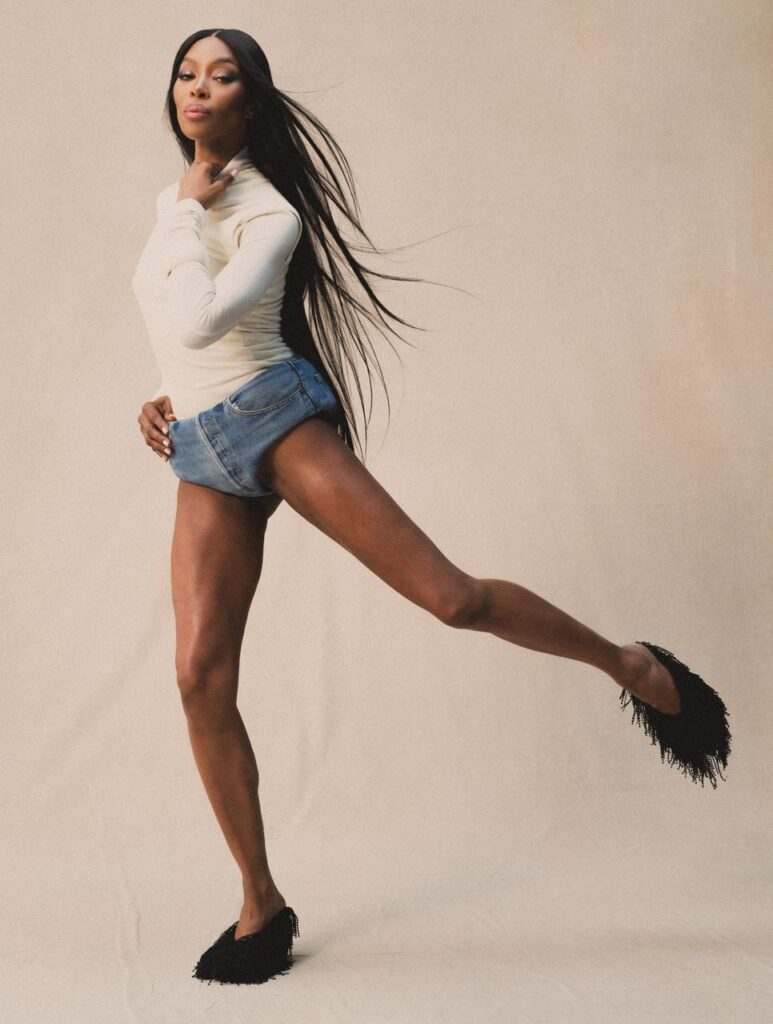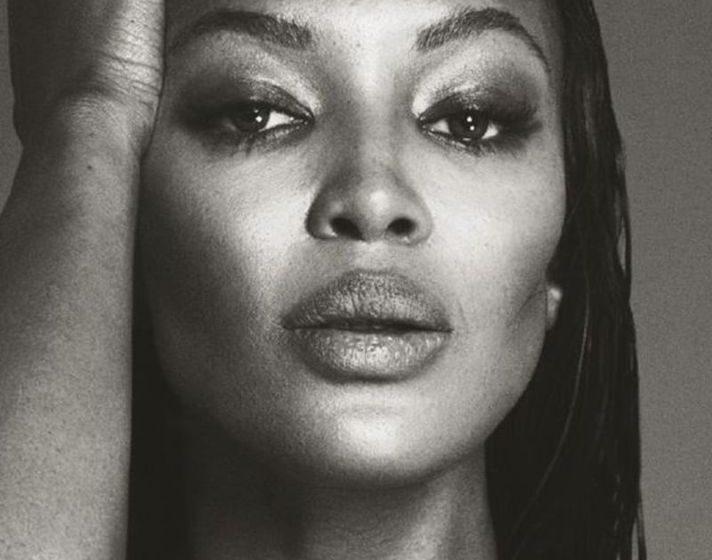

For more than three decades, Naomi Campbell has remained one of the most powerful and unforgettable figures in the history of fashion. More than a supermodel, Naomi became a cultural force — a symbol of confidence, elegance, resilience, and undeniable presence whose impact extends far beyond the runway.
On her birthday, the fashion world once again celebrates a woman whose legacy continues to inspire designers, photographers, models, artists, and an entirely new generation discovering the meaning of true icon status.
In an industry constantly searching for the next face, the next movement, or the next trend, Naomi Campbell represents something much rarer: permanence.
The Rise of a Fashion Phenomenon
From the very beginning of her career, Naomi Campbell possessed something impossible to imitate. Her walk, her gaze, her energy, and her ability to command attention transformed her into one of the defining faces of the golden era of supermodels.
Discovered at a young age in London, Naomi quickly rose through the ranks of the international fashion industry during the late 1980s and 1990s — an era now remembered as one of fashion’s most influential periods.
Alongside legendary figures such as Linda Evangelista, Christy Turlington, Cindy Crawford, and Claudia Schiffer, Naomi helped redefine what it meant to be a supermodel. These women were not simply models wearing clothes — they became global personalities capable of shaping culture itself.
But even among icons, Naomi stood apart.
Her runway presence carried a level of intensity and precision that became instantly recognizable. Every appearance felt cinematic. Every step carried authority. Whether walking for the world’s most prestigious fashion houses or appearing on the covers of major magazines, Naomi brought a rare combination of power and elegance that elevated every moment she touched.
Breaking Barriers in Fashion
Naomi Campbell’s influence cannot be discussed without acknowledging the barriers she helped break within an industry that historically lacked diversity.
Throughout her career, Naomi challenged fashion’s limited standards and opened doors for future generations of Black models. At a time when representation remained deeply unequal, her success became both historic and revolutionary.
She became the first Black woman to appear on the cover of several major international fashion publications, creating moments that reshaped the visibility of Black beauty within luxury fashion.
Her rise represented more than personal achievement — it became a cultural shift.
Even today, many contemporary models and creatives continue to reference Naomi as a source of inspiration, not only for her success but also for her resilience in navigating an industry that often underestimated or excluded women who looked like her.
Her legacy exists not just in fashion imagery, but in the opportunities and visibility that followed for countless others.
The Art of the Runway
Very few figures in fashion history have mastered the runway the way Naomi Campbell has.
Her walk became legendary — studied, referenced, and imitated across generations. There is a precision to Naomi’s runway presence that transformed fashion shows into unforgettable performances.
Whether appearing in dramatic couture presentations, minimalist luxury collections, or avant-garde spectacles, Naomi consistently understood how to embody the vision of a designer while simultaneously remaining entirely herself.
This balance is what separates icons from models.
Even today, decades into her career, her runway appearances continue to generate excitement across the industry. In an era dominated by digital trends and fleeting viral moments, Naomi’s presence still commands genuine anticipation.
When she steps onto a runway, it is never simply another appearance. It becomes an event.
Beyond Fashion: A Cultural Icon
Over the years, Naomi Campbell evolved beyond modeling into a broader symbol of cultural influence.
Her presence spans fashion, music, philanthropy, entertainment, activism, and global culture. She has collaborated with some of the world’s most respected photographers, designers, artists, and luxury houses while continuously remaining relevant across changing eras of fashion.
What makes Naomi particularly remarkable is her ability to evolve without losing the essence of who she is.
Many icons belong to a single decade. Naomi belongs to multiple generations.
From the supermodel era of the 1990s to today’s digital luxury landscape, she continues to maintain a level of visibility and influence that few personalities in fashion history have achieved.
The Enduring Power of Confidence
Part of Naomi Campbell’s lasting impact comes from the attitude she represents.
Confidence. Fearlessness. Discipline. Presence.
These qualities helped shape not only her career but also the perception of modern fashion femininity itself. Naomi became a symbol of strength in an industry often obsessed with perfection and reinvention.
Her ability to remain unapologetically herself — while continuously adapting to the evolution of fashion — is a major reason why her influence continues to resonate so strongly today.
In many ways, Naomi Campbell represents the idea that true style is not only about clothing or beauty, but about energy, character, and individuality.
A Legacy That Continues to Inspire
As fashion continues to evolve, Naomi Campbell’s legacy remains untouchable.
Younger generations continue to discover her archive of iconic runway moments, editorial covers, and unforgettable campaigns, while established figures within the industry still speak about her with admiration and respect.
Few individuals have shaped fashion history as consistently and as powerfully as Naomi.
She did not simply participate in fashion’s most important moments — she helped define them.
And today, as the industry celebrates her birthday, one truth remains undeniable: Naomi Campbell is not only one of fashion’s greatest supermodels. She is one of its greatest icons of all time.
Happy Birthday to the Queen of Fashion.